Team-Based Puzzle Design
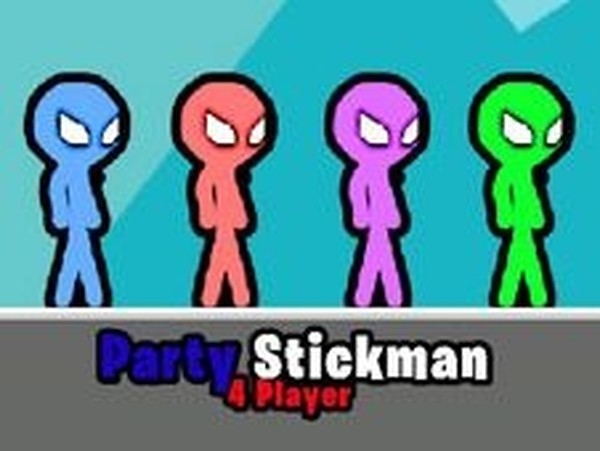
In this cooperative puzzle game, players take control of individual figures, each with their own set of controls. The central challenge is to move the entire group from the starting point to the exit of each stage. This requires careful coordination, as each figure may need to perform different tasks at the same time. The puzzles are built around the need for simultaneous actions, making communication between players essential.
Obstacle Navigation
Each stage presents a variety of obstacles that the team must overcome. These include gaps in the floor, moving barriers, and platforms that require precise timing to cross. Some obstacles may only be activated by one figure, requiring the others to wait or move in a specific sequence. The difficulty increases gradually, introducing new types of challenges as players progress.
Visual Style and Atmosphere
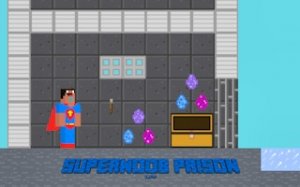
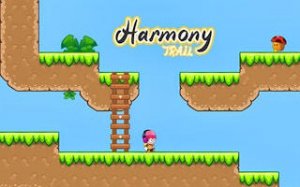
The game uses a bright, colorful art style with simple figure characters that are easy to distinguish. The backgrounds are cheerful and uncluttered, helping players focus on the puzzle elements. The overall tone is light and friendly, making it suitable for players of all ages. The visual design supports the cooperative nature of the game by keeping the action clear and readable.
Accessibility and Control
Each player uses a set of keyboard keys to move their figure, jump, and interact with objects. The controls are straightforward, allowing new players to join without a steep learning curve. The game can be played with up to four people locally, or with computer-controlled teammates for solo play. This flexibility makes it easy to enjoy the game regardless of group size.
Puzzle Progression
As players advance, they encounter stages that require more complex strategies. Some levels include keys that must be collected to unlock the exit, adding an extra layer of planning. The team must decide who will retrieve the key while others handle obstacles or provide support. This progression keeps the gameplay fresh and encourages repeated attempts to master each stage.
Cooperative Success
The core of the experience is working together. There is no competition between players; the only goal is to get everyone to the exit. This design fosters a sense of shared achievement and makes the game ideal for family gatherings or friendly get-togethers. The emphasis on cooperation over individual performance creates a supportive environment where communication is rewarded.



Player Comments
0 comments