Core Planning and Placement
At its heart, Cube Keep: Tactical Shelter asks players to think ahead. Before each wave, you arrange defensive items across a grid-based battlefield. The goal is to create a maze that slows enemies while exposing them to your traps. Items can be moved or swapped between waves, encouraging experimentation. This system rewards players who study enemy paths and adjust their layouts accordingly. The interface uses a simple drag-and-drop method, making it easy to rearrange on a touchscreen.
Resource Flow and Upgrades
Defeating enemies drops in-game currency. This currency is used to activate new defensive items or improve existing ones. Early waves provide modest rewards, so players must decide whether to save for a powerful upgrade or spread resources across many small traps. The game does not use a traditional mana or energy system for placing items; instead, each item has a cooldown before it can be used again. Managing these cooldowns becomes a key part of surviving later waves.
Visual Style and Atmosphere
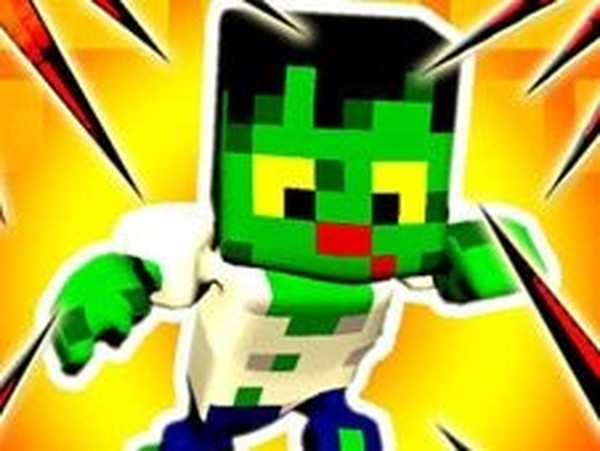
The world is built from bright, colorful cubes that resemble popular sandbox games. This style keeps the screen clear and easy to read, even when many enemies are on screen. Animations are smooth, and the color palette is family-friendly. The sound design uses cheerful chimes and alert tones to signal enemy advances and successful traps. This approachable look makes the game suitable for players of all ages.
Progression and Challenge Curve
Each wave introduces new enemy types or increased numbers. Some enemies move faster, while others have more health. The game does not specify exact numbers, but the difficulty ramps up steadily. Players unlock new defensive tools as they complete sets of waves. This progression system gives a sense of accomplishment and encourages replaying earlier levels to earn more currency. The challenge lies in adapting to changing threats without a fixed solution.




Player Comments
0 comments